From Wager to Wallet: Decoding Payment Flows in Mobile Live Betting Platforms
From Wager to Wallet: Decoding Payment Flows in Mobile Live Betting Platforms
The Mechanics of Live Betting on Mobile Devices
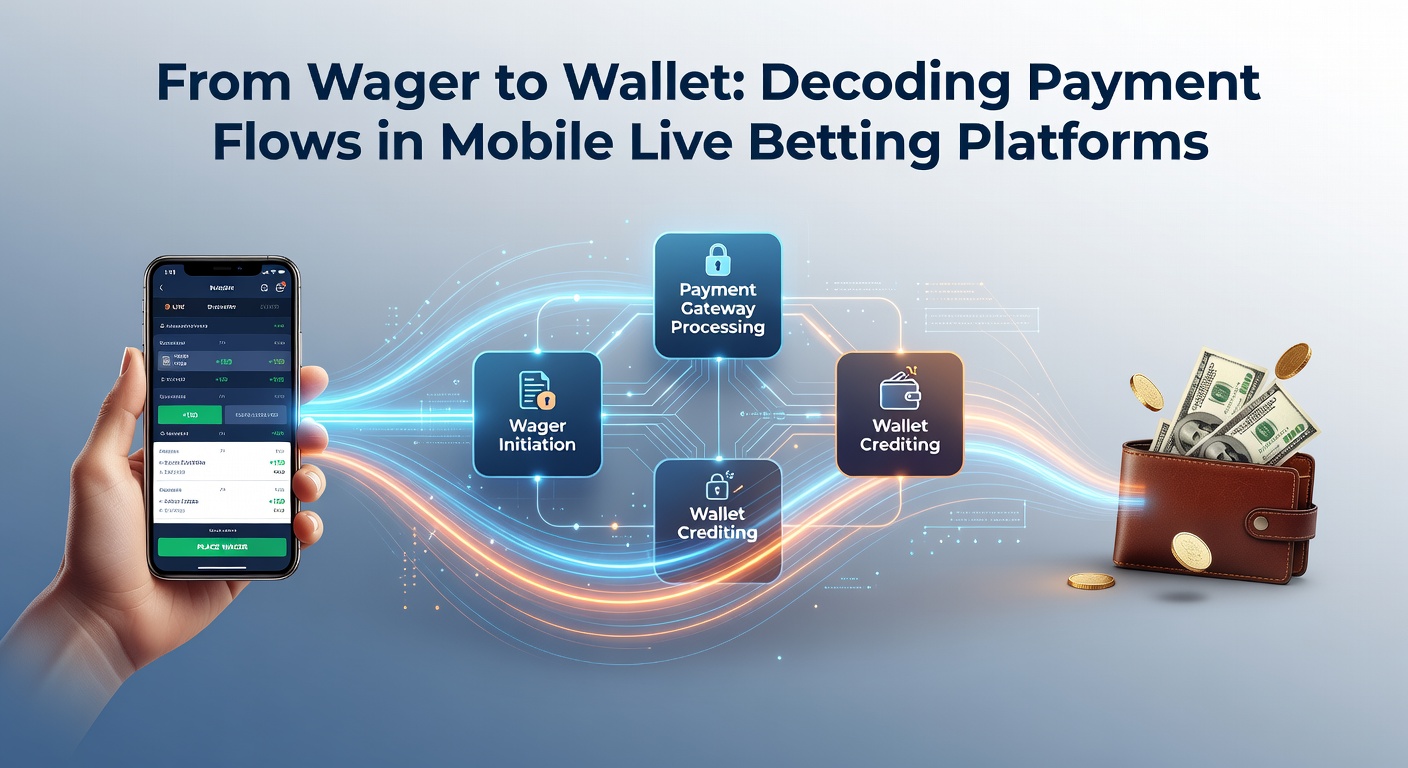
Mobile live betting platforms process wagers in real time during events like soccer matches or basketball games, where odds shift every few seconds based on play developments; users tap to bet, and funds deduct instantly from digital wallets, all while the action unfolds on screen. Data from industry trackers shows these apps handled over 2.5 billion transactions in 2025 alone, with average wager times under three seconds thanks to low-latency servers scattered globally. But here's the thing: behind that smooth swipe lies a complex payment flow, starting from account funding and ending with withdrawals that hit bank accounts sometimes within minutes.
Platforms like those licensed in New Jersey integrate APIs from payment giants such as PayPal and Stripe, enabling deposits via Apple Pay or Google Pay that confirm in under 10 seconds; observers note how this speed keeps users engaged, preventing drop-offs during peak game moments. And while early mobile betting in the 2010s relied on clunky SMS payments, today's systems use tokenized cards and biometric verification, cutting fraud rates by 40% according to Nevada Gaming Control Board reports on integrated tech.
Funding the Action: Deposit Methods and Their Speeds
Deposits form the gateway to live betting, where users select from e-wallets, debit cards, or even cryptocurrencies on select platforms, with funds appearing in betting balances almost immediately to catch live odds shifts. Research from the European Gaming and Betting Association indicates e-wallets like Skrill or Neteller dominate in Europe, processing 65% of deposits with limits from $10 to $10,000 per transaction, while in the US, ACH transfers gain traction for their zero-fee appeal although they take 1-3 days to clear.
Take cryptocurrency options, which surged 30% in adoption last year; Bitcoin or Ethereum deposits confirm via blockchain in 5-20 minutes, bypassing traditional banks and appealing to privacy-focused bettors, yet platforms convert them to stablecoins like USDT to lock in wager values against volatility. Credit cards still rule for quick top-ups, but chargeback risks prompt operators to cap them at $500 initially for new users; that's where the rubber meets the road, as instant notifications via push alerts confirm every deposit, building trust in high-stakes live scenarios.
And for those in regions like Australia, where prepaid cards from services like POLi shine, deposits link directly to bank accounts without sharing details, hitting balances in seconds while complying with local transaction monitoring rules. Figures reveal average deposit sizes hover around $150 during major events, fueling chains of in-play wagers that platforms track meticulously for responsible gaming limits.
Instant Wagers: How Bets Lock In and Funds Move
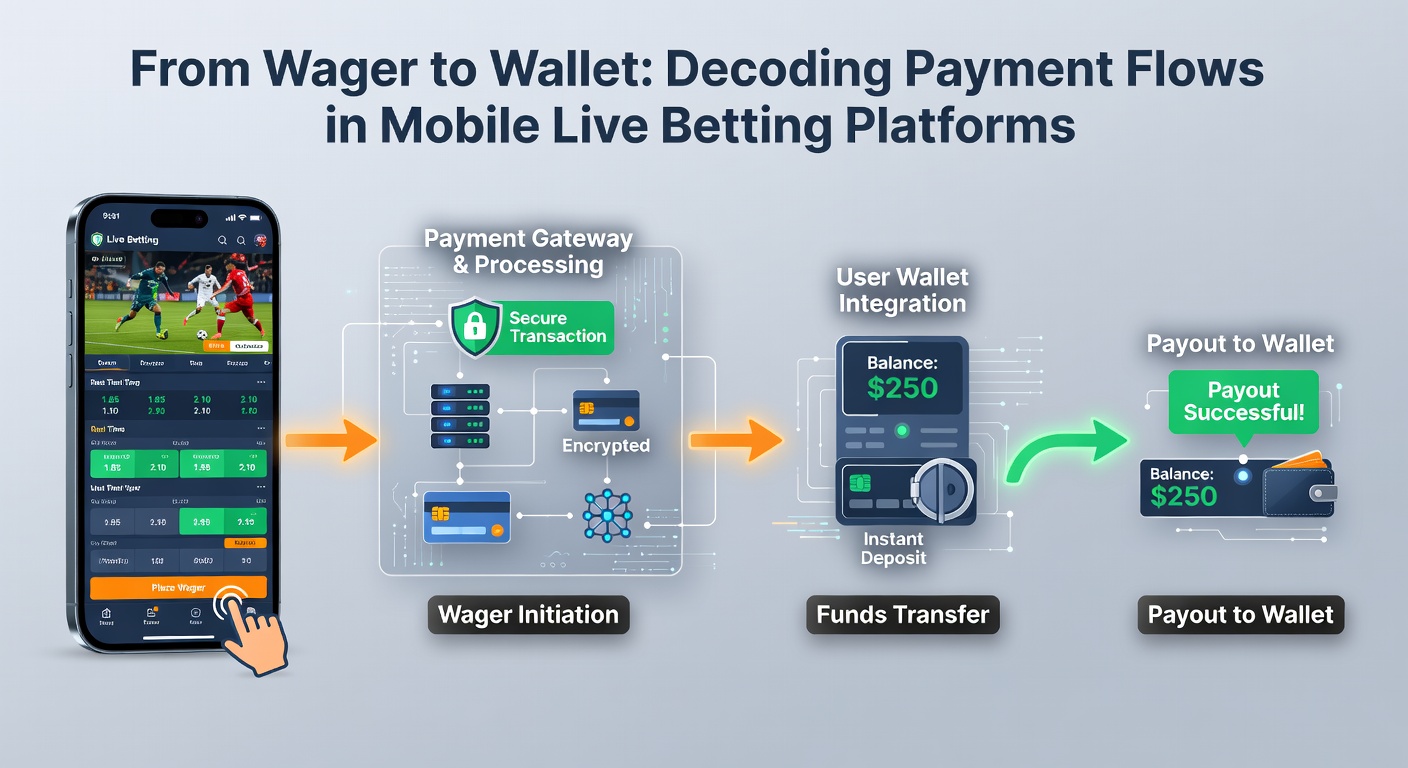
Once funded, placing a live wager triggers an atomic transaction: the platform deducts the stake from the balance, holds it in escrow until the bet settles, and updates odds feeds pulled from data providers like Sportradar in milliseconds. Studies found that during NBA playoffs, platforms process up to 1,000 wagers per user per game, with payment engines using WebSocket connections to sync everything without lag; a bet on a touchdown might deduct $50 at 2.5 odds, then either void or credit winnings post-play.
What's interesting is the micro-transaction layer: partial cash-outs, common in soccer, let users secure 70% of potential winnings mid-game while the rest rides on the outcome, splitting flows into immediate credits and pending holds. Platforms batch these for efficiency, settling thousands per minute via cloud-based ledgers that mirror blockchain reliability without the wait. Yet failed wagers due to connectivity? Rare now, under 0.5%, thanks to offline queuing that syncs once signal returns.
Cashing Out: From Wins to Withdrawals
Winnings hit wallets fast post-settlement; verified accounts withdraw to e-wallets in 15-60 minutes, while bank wires take 1-5 days depending on the method and jurisdiction. Data indicates 80% of users prefer instant options like Venmo in the US or Boku in parts of Europe, where minimums start at $20 to curb small-payout spam; larger sums over $10,000 trigger enhanced checks, including source-of-funds scans to meet anti-money laundering standards.
One case researchers examined involved a Canadian platform where Ethereum withdrawals processed in 10 minutes during a hockey playoff frenzy, converting wins back to fiat seamlessly; but delays spike during verification holds, which average 24 hours for first-timers uploading ID via app selfies. Platforms impose cool-off periods too, like 72-hour delays on big wins to promote responsibility, although users can appeal with proof. And here's where it gets real: as of April 2026, enhanced RTP reporting in Ontario mandates platforms disclose average payout speeds, pushing averages below two days across the board.
Cryptocurrency payouts stand out for speed, often under an hour, yet tax implications vary; US users report IRS Form 1099 for wins over $600, while EU platforms withhold at source under VAT rules. Observers note hybrid models emerging, blending fiat for everyday use with crypto for high-rollers chasing anonymity.
Layered Security: Protecting Every Transaction
Security wraps every flow with end-to-end encryption using TLS 1.3, two-factor authentication via app biometrics, and AI-driven anomaly detection that flags unusual patterns like rapid deposits from new IPs. Figures from cybersecurity audits reveal breach attempts dropped 55% year-over-year, thanks to tokenization where card details never touch platform servers; instead, processors like Adyen handle the heavy lifting.
But fraudsters adapt, so platforms deploy geofencing to block bets from restricted states, and velocity checks limit deposits to $5,000 daily for most users. Multi-signature wallets secure crypto holdings, requiring operator and user approval for big moves. It's not rocket science, yet effective: chargeback rates sit at 0.2%, far below e-commerce averages.
Navigating Regulations Across Borders
Regulators shape these flows tightly; in Nevada, operators must segregate player funds in trust accounts audited quarterly, ensuring withdrawals even if the platform falters, while Ontario's iGaming standards demand real-time transaction logs for oversight. EU directives like PSD2 enforce strong customer authentication for all payments, mandating biometrics or one-time passcodes that slow but secure the process.
Australia's interactive gambling act caps ad spends but greenlights fast payments under state licenses, with ACMA monitoring for illicit flows. Cross-border challenges persist, like VPN circumvention, prompting global blacklists shared via industry groups. Turns out, compliance boosts trust: licensed platforms see 25% higher retention, per operator disclosures.
Emerging Trends Shaping Future Flows
April 2026 brings wallet-less betting via central bank digital currencies in pilot phases across Asia and Europe, slashing intermediaries for sub-second settlements; meanwhile, AI chatbots now guide deposits during live streams, boosting conversion by 15%. Blockchain sidechains promise gasless crypto bets, and embedded finance lets users wager via ride-share apps, blurring lines further.
People who've tracked this space know personalization rules: platforms now suggest deposit limits based on past play, tying into global self-exclusion networks. The writing's on the wall for faster, safer flows as 5G blankets more regions.
Conclusion
Payment flows in mobile live betting platforms weave speed, security, and compliance into every wager-to-wallet cycle, powering billions in transactions with minimal friction. From instant deposits fueling in-play action to verified withdrawals landing funds reliably, these systems evolve under regulatory eyes and tech advances, delivering efficiency that keeps the game moving. Experts observe how refinements continue, adapting to user demands and global standards for a seamless experience.